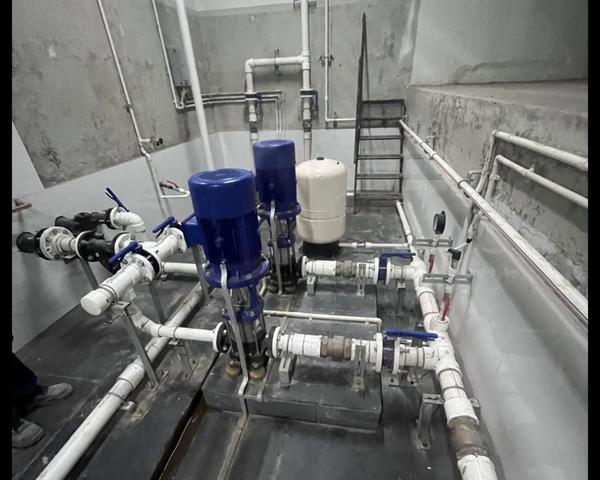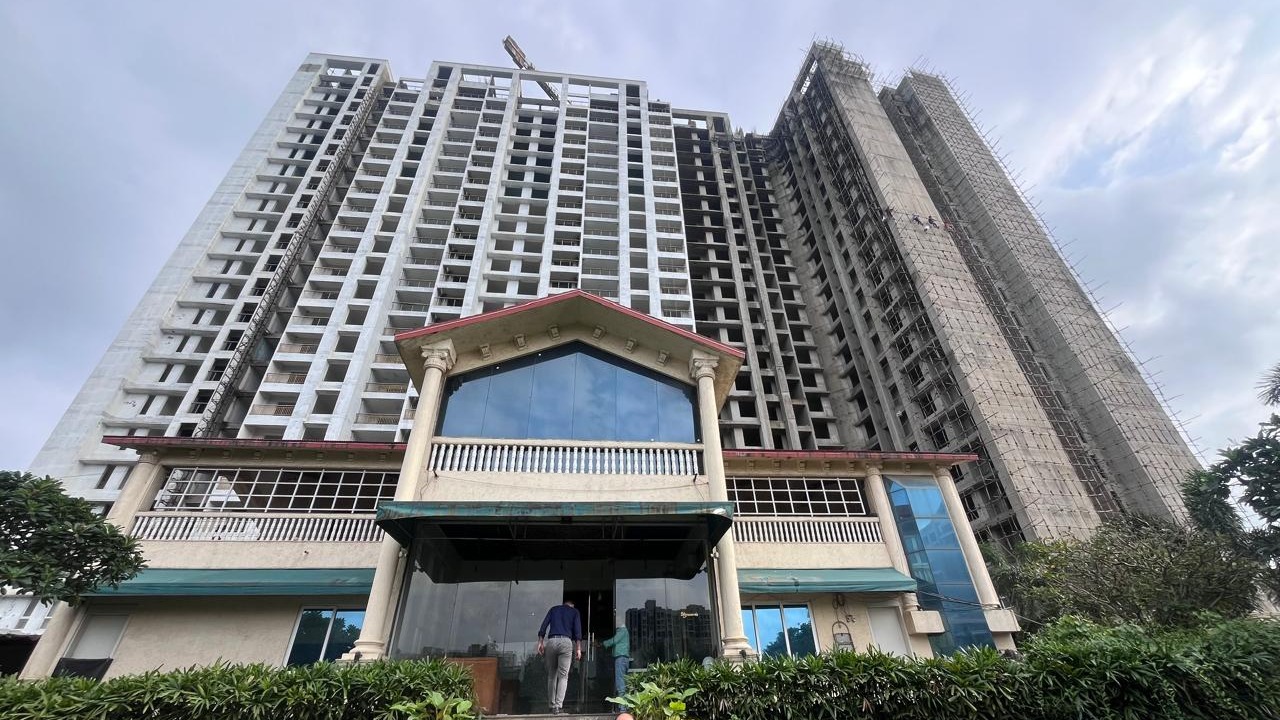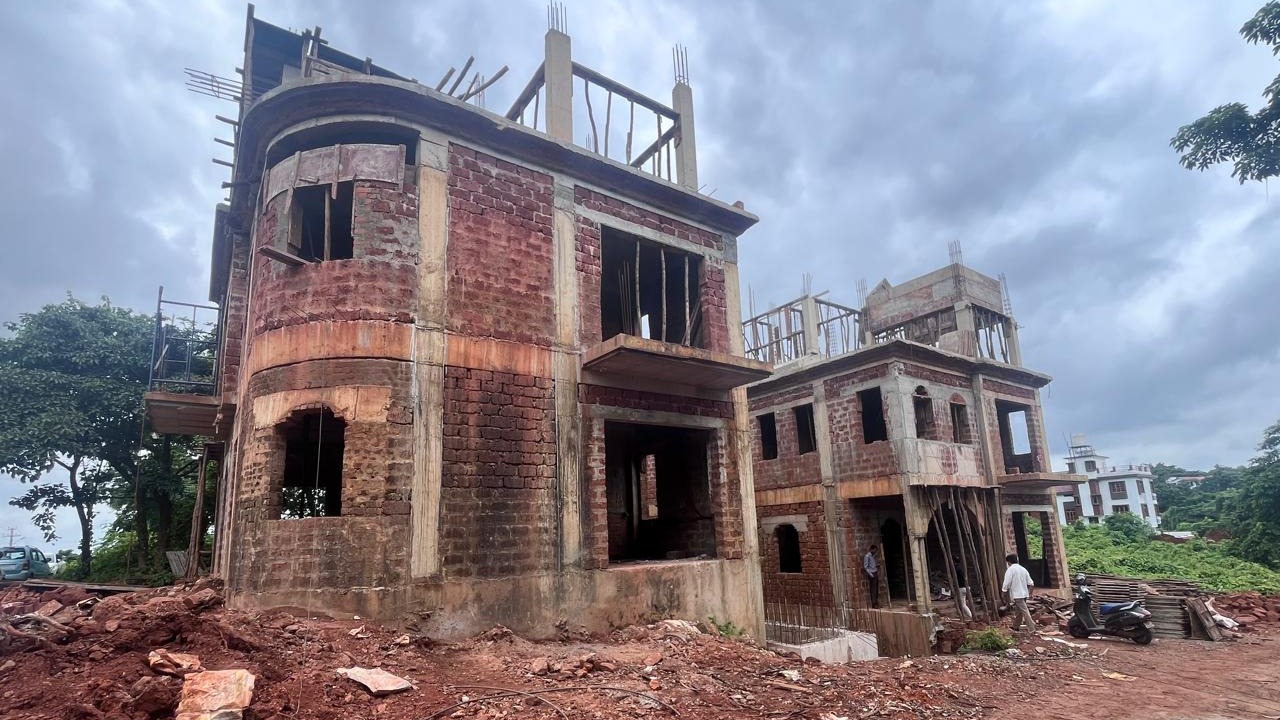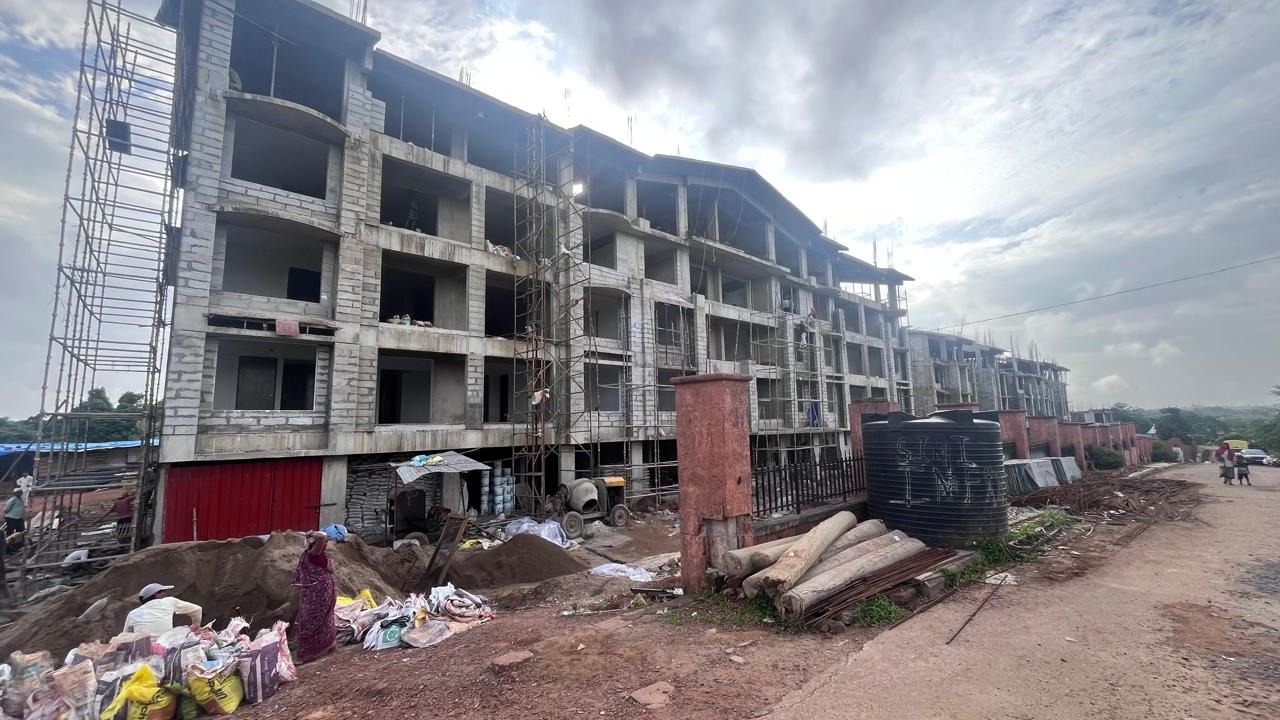
An online monitoring system for a Water Treatment Plant (WTP) in MEP part is a critical component of modern water treatment operations in Plumbing System of buildings, resorts, hotel, hospitals, townships. Such a system allows real-time monitoring and control of various parameters and processes within the plant. Here are some key aspects of an online monitoring system for a WTP:
Water Quality Monitoring: This involves sensors and instruments that continuously measure parameters like pH, turbidity, chlorine levels, dissolved oxygen, and the presence of specific contaminants (e.g., heavy metals, organic compounds). These measurements ensure that the water meets regulatory standards and is safe for consumption.
Flow Monitoring: Monitoring the flow rate of water at different stages of the treatment process helps ensure that the plant is operating within its design capacity and that water is being distributed efficiently.
Pressure Monitoring: Pressure sensors are used to monitor water pressure at various points in the distribution system. This helps identify leaks, pressure drops, and other issues that can affect water supply.
Level Monitoring: Level sensors in tanks and reservoirs help manage water storage and distribution, ensuring a steady supply to consumers.
Temperature Monitoring: Temperature sensors can help detect anomalies that might affect water quality or the efficiency of certain treatment processes.
Data Logging and Storage: All data from these sensors is collected and logged in real-time. Historical data is stored for analysis and reporting, helping to identify trends and patterns over time.
Alarms and Alerts: The system should be capable of generating alarms and alerts when specific thresholds are exceeded or when critical issues arise. These alerts can be sent to plant operators via email, SMS, or other notification methods.
Remote Monitoring: Many modern systems allow for remote monitoring, which enables operators to keep an eye on the plant's performance even when they are not on-site. This can be particularly valuable for early detection and response to issues.
SCADA (Supervisory Control and Data Acquisition): A SCADA system is often used to centralize data from various sensors and control the WTP processes. Operators can use a SCADA interface to make adjustments in real-time based on the data they receive.
Integration with Control Systems: The online monitoring system should be seamlessly integrated with the control system of the WTP. This integration allows for automated control based on real-time data, ensuring efficient operations.
Security: Robust cyber security measures are crucial to protect the online monitoring system from unauthorized access and potential cyber threats.
Reporting and Analysis: The system should provide tools for generating reports and performing data analysis to evaluate the performance of the WTP over time.
Implementing an effective online monitoring system not only ensures the quality and reliability of water supply but also helps in proactive maintenance, reducing downtime, and optimizing resource utilization in the WTP.
Keywords
pH
eye
SMS
site
tanks
tools
hotel
leaks
email
oxygen
Alarms
Alerts
trends
resorts
reports
downtime
response
MEP part
patterns
presence
consumers
anomalies
reporting
townships
buildings
flow rate
hospitals
reservoirs
efficiency
consumption
reliability
adjustments
performance
instruments
key aspects
Integration
Data Logging
heavy metals
measurements
SCADA system
other issues
water supply
Level sensors
data analysis
water storage
steady supply
WTP processes
pressure drops
water pressure
real-time data
various points
plant operators
Flow Monitoring
Historical data
Control Systems
SCADA interface
various sensors
critical issues
Plumbing System
chlorine levels
early detection
design capacity
different stages
Level Monitoring
Pressure sensors
Data Acquisition
organic compounds
treatment process
Remote Monitoring
automated control
critical component
various parameters
Temperature sensors
Supervisory Control
Many modern systems
distribution system
specific thresholds
Pressure Monitoring
unauthorized access
regulatory standards
real-time monitoring
efficient operations
resource utilization
specific contaminants
proactive maintenance
Water Treatment Plant
Temperature Monitoring
potential cyber threats
Water Quality Monitoring
other notification methods
Robust cyber security measures
modern water treatment operations
effective online monitoring system