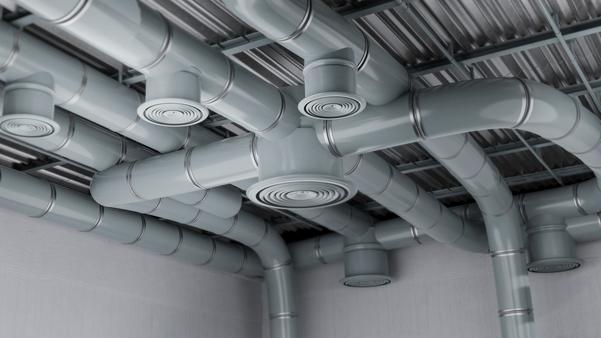
Drainage pipe sizing for Residential, commercial buildings
Sizing drainage pipes correctly is essential for effective wastewater removal and preventing blockages and backups. The size of drainage pipes depends on factors like the type of fixtures, the expected flow rates, and local building codes. Here are some key considerations for sizing drainage pipes:
Fixture Unit Count: Drainage pipe sizing often begins with determining the fixture unit (FU) count for the building or system. Each plumbing fixture (e.g., sinks, toilets, showers) is assigned a certain number of fixture units, which represents its drainage load. You'll need to calculate the total fixture unit count for the building.
Peak Flow Rates: Determine the peak flow rates of wastewater that the drainage system will need to handle. This can be based on the fixture unit count and usage patterns. Peak flow rates are typically expressed in gallons per minute (GPM) or liter per minute (LPM).
Pipe Material: The material of the drainage pipe can influence its size. Common materials include PVC, cast iron, and ABS plastic. Different materials have different flow capacities, and local codes may specify acceptable materials.
Local Codes and Regulations: Consult your local plumbing code or building regulations. Many jurisdictions provide tables and guidelines for pipe sizing based on factors like fixture unit count, pipe material, and slope.
Pipe Slope: The slope or gradient of the drainage pipe is crucial. It must be sufficient to allow the wastewater to flow freely but not too steep to cause problems with solids separation.
Pipe Diameter: Once you have your fixture unit count, peak flow rates, and slope, you can use plumbing codes or sizing tables to determine the required diameter of the drainage pipes. Common pipe diameters for residential plumbing are 1.5 inches (for fixtures like sinks) and 3 inches or 4 inches (for toilets and showers).
Traps and Vents: Don't forget to account for traps and vents in the system. These components are essential for maintaining proper drainage and preventing sewer gas from entering the building. They can also impact pipe sizing.
Long Runs and Horizontal Stacks: If you have long horizontal runs or stacks in your drainage system, you may need to increase the pipe size to accommodate the flow and maintain the required slope.
Future Expansion: Consider potential future expansions or modifications to the building's plumbing system when sizing the drainage pipes. Oversizing the pipes slightly can be a good practice to allow for future changes.