World Ozone Day is observed every year on 16 September to remind us about the ozone layer, which protects life on Earth from harmful ultraviolet rays. The United Nations started this day in 1994 to celebrate the success of the Montreal Protocol of 1987.
This agreement came after the Vienna Convention of 1985, when scientists warned about the dangers of chemicals called chlorofluorocarbons (CFCs). These steps turned scientific warnings into global action, and today the ozone layer has started slowly healing.
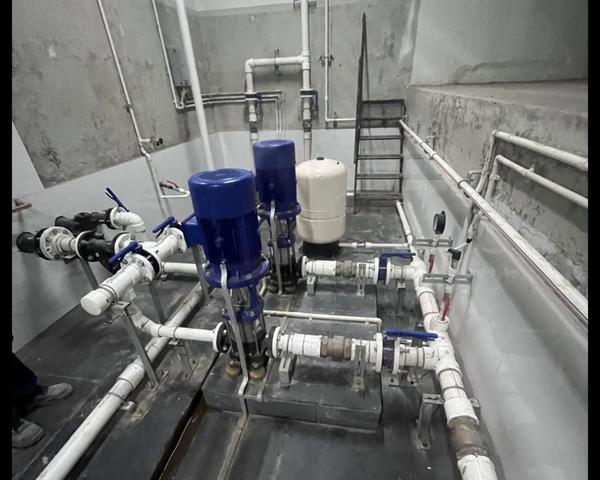
Ozone depletion has long been linked to chemicals used in refrigeration and air conditioning, firefighting, which are at the very heart of MEP systems. Hence, when the MEPF (Mechanical, Electrical, Plumbing, Fire Fighting) sector actively adopted the changes under Montreal protocol and Kigali Amendments, the impact on Ozone healing was profound and everlasting. This blog celebrates the contributions of MEP MEPF (Mechanical, Electrical, Plumbing, Fire Fighting) sector in healing the Ozone layer and to make our planet safer and healthy.
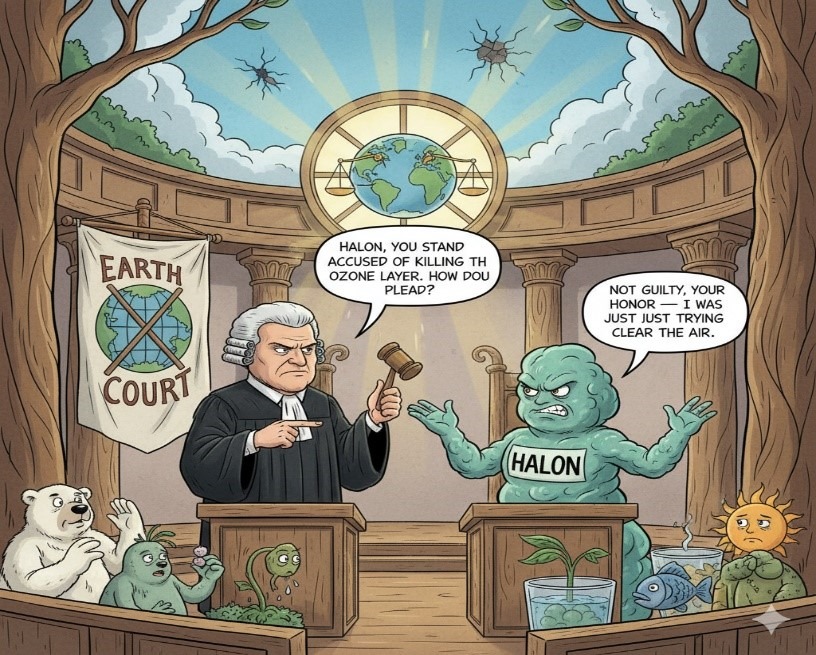
HVAC systems, which used heavily rely on Chlorofluorocarbons (CFCs), Carbon Tetrachloride (CTC), were seen as having major impact on Ozone depletion. Similarly, Halons were extensively used in Fire Fighting Systems as Fire extinguishers, but their rampant use led to heavy bromine and chlorine in atmosphere, which would break the ozone bond. Kigali Amendment mandate to phase out these ODFs and transition to healthy alternatives.
MEP engineers and technicians are crucial in this transition, ensuring that new HVAC and refrigeration systems use environmentally sound alternatives. This includes working with HCFCs (hydrochlorofluorocarbons), HFCs (hydrofluorocarbons), HFOs (hydrofluoroolefins), and natural refrigerants like CO2 and ammonia, which have lower ozone depletion potential and varying global warming potentials. India has in fact phased out Chlorofluorocarbons (CFCs), Carbon Tetrachloride (CTC), and halons for controlled use by 2010, ahead of Montreal Protocol schedule.
An energy-efficient building is a sustainable building. MEP professionals design and implement high-efficiency HVAC units, smart lighting controls, and energy management systems. By reducing overall energy consumption, these services lessen our reliance on fossil fuels, which in turn reduces the pollutants that can indirectly harm the atmosphere.
Beyond individual components, MEP design is embracing a holistic approach to sustainability. From rainwater harvesting and greywater recycling to the integration of renewable energy sources like solar and geothermal, MEP services are reducing the environmental footprint of buildings from the ground up.
The remarkable healing of the ozone layer is a powerful testament to what can be achieved when science, policy, and industry work together. On this Ozone Day, let's recognize the pivotal role that forward-thinking MEP services play in this global effort. Their commitment to innovation and sustainable practices is not just about building better spaces; it's about building a healthier planet for us all.
Keywords
fire fighting systems
hvac systems
electrical systems
Mechanical Systems
world Ozone Day 2025
Montreal Protocol and Kigali Amendments
HVAC systems ozone depletion impact
MEP services for environmental sustainability
Ozone layer healing and global climate
Sustainable energy-efficient building design
Environmentally sound refrigerant alternatives
MEP engineers role in ozone recovery