Implementing rainwater harvesting involves several steps.
Assess feasibility: Determine if rainwater harvesting is viable for your building by considering factors such as local rainfall patterns, the size of the building's roof, and the availability of space for storing harvested water.
Calculate water requirements: Understand your building's water needs to determine the appropriate size of the rainwater harvesting system. Consider factors such as the number of occupants, water usage patterns, and potential uses for harvested water (e.g., irrigation, toilet flushing, etc.).
Design the system: Work with a qualified professional or an engineer experienced in rainwater harvesting to design an appropriate system for your building. This includes determining the collection area (usually the roof), the gutters and downspouts, and the storage and filtration components.
Collecting rainwater: Install a system to collect rainwater from the roof. Ensure that the gutters and downspouts are clear of debris and direct the water to the storage system. Use appropriate filters or screens to prevent leaves, twigs, and other debris from entering the system.
Storage and filtration: Determine the storage capacity based on your building's water requirements. Common storage options include rain barrels, tanks, or underground cisterns. Install appropriate filters to remove sediment, leaves, and other contaminants from the harvested water.
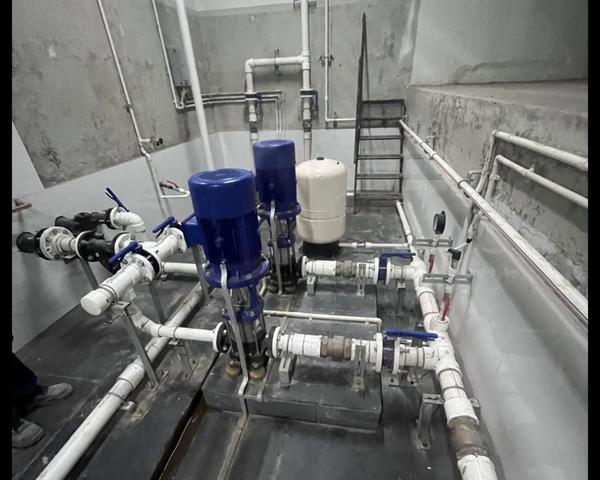
Distribution system: Establish a distribution system to transport the harvested water to the intended areas of use. This may involve pumps, pipes, and valves to control the flow and direct water to different parts of the building or the surrounding landscape.