Sustainable MEP Mechanical, Electrical, Fire and Plumbing services for a college, school, university, residential, commercial, office campus are essential to reduce energy consumption, minimize environmental impact, and ensure the long-term functionality of campus facilities. Here are some key considerations for implementing sustainable MEP services in a college campus:
Energy Efficiency:
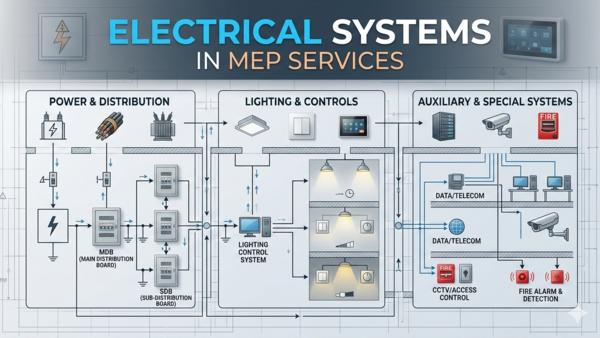
Implement energy-efficient lighting systems, such as LED lighting, and consider occupancy sensors to reduce electricity consumption.
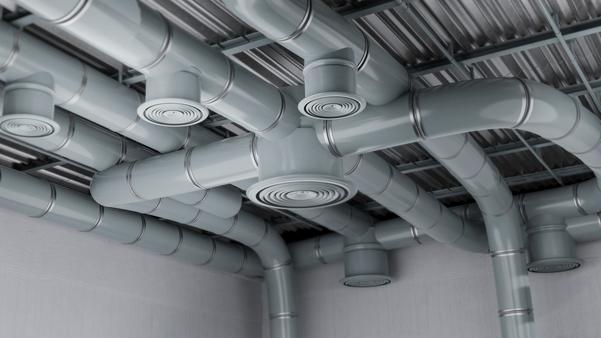
Install energy-efficient HVAC (Heating, Ventilation, and Air Conditioning) systems, including variable-speed pumps, fans, and high-efficiency chillers.
Use building automation systems (BAS) to optimize HVAC and lighting controls, adjusting them based on occupancy and environmental conditions.
Renewable Energy:
Consider on-site renewable energy sources like solar panels or wind turbines to generate clean electricity for campus buildings.
Explore power purchase agreements (PPAs) or renewable energy credits (RECs) to support the use of renewable energy from off-site sources.
Efficient Plumbing Systems:
Install low-flow plumbing fixtures such as toilets, faucets, and showerheads to conserve water.
Implement grey water recycling systems to reuse wastewater for non-potable purposes like landscape irrigation or toilet flushing.
Building Envelope:
Improve building insulation to reduce heating and cooling loads, which in turn lowers energy consumption.
Use energy-efficient windows and doors to minimize heat gain and loss.
Sustainable Materials:
Choose environmentally friendly construction materials with low VOC (Volatile Organic Compounds) emissions.
Consider recycled or locally sourced materials to reduce transportation-related environmental impacts.
Commissioning and Monitoring:
Regularly commission and monitor MEP systems to ensure they operate efficiently and according to design.
Use advanced metering and energy management systems to track and analyze energy and water consumption.
Sustainable Design Principles:
Incorporate sustainable design principles like day lighting, natural ventilation, and passive solar heating and cooling in building design.
Design buildings with flexibility in mind to accommodate future technological advancements and changes in space requirements.
Education and Outreach:
Educate campus occupants and staff about the importance of sustainability and how to use MEP systems efficiently.
Promote sustainability initiatives through outreach programs and workshops.
Maintenance and Lifecycle Planning:
Develop a proactive maintenance plan for MEP systems to prolong their lifespan and maintain their efficiency.
Consider the lifecycle cost of systems and equipment when making procurement decisions.