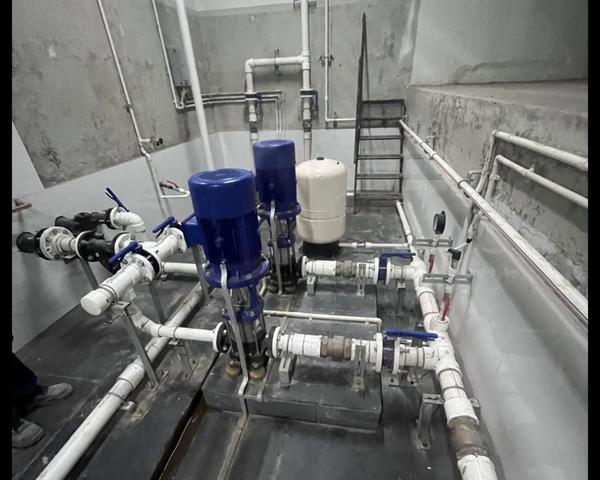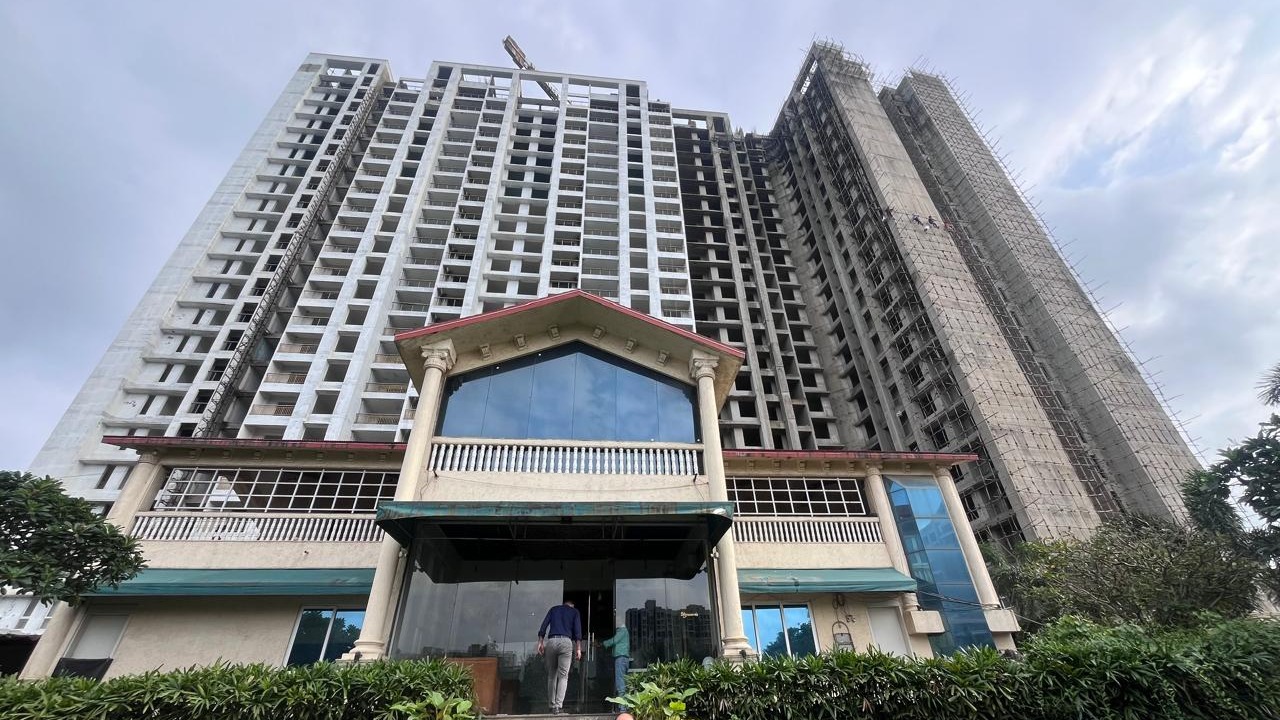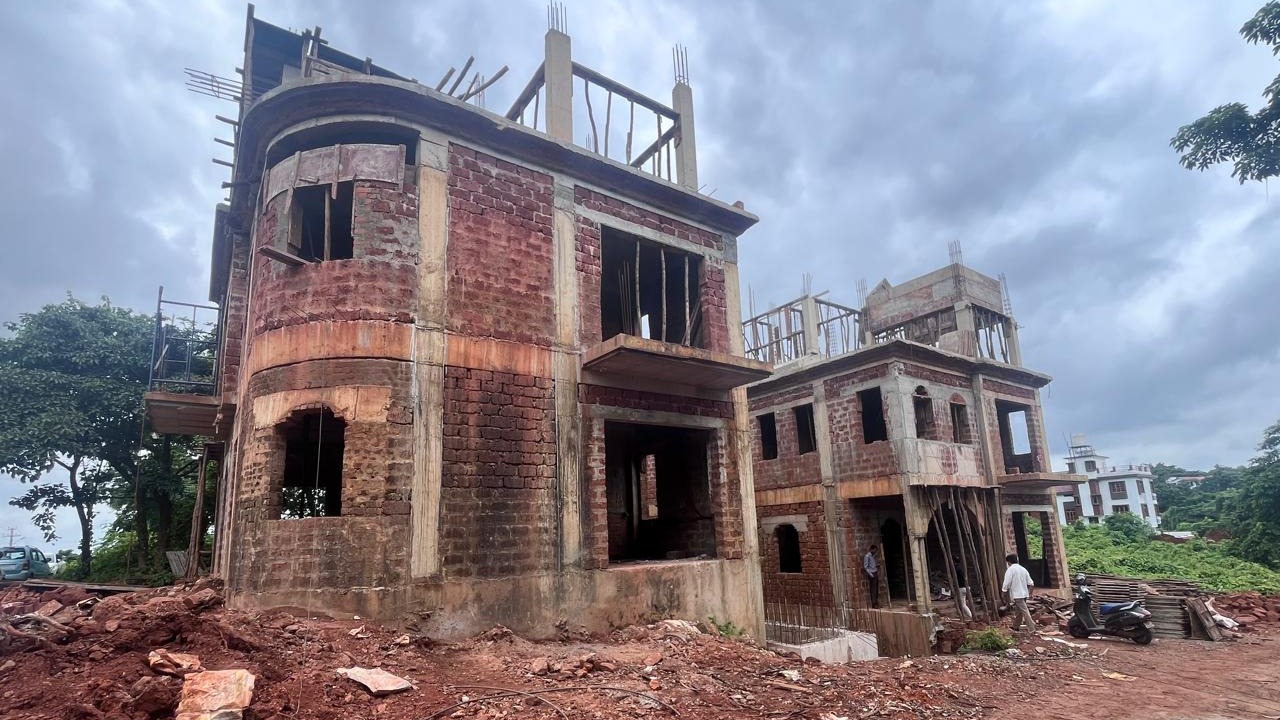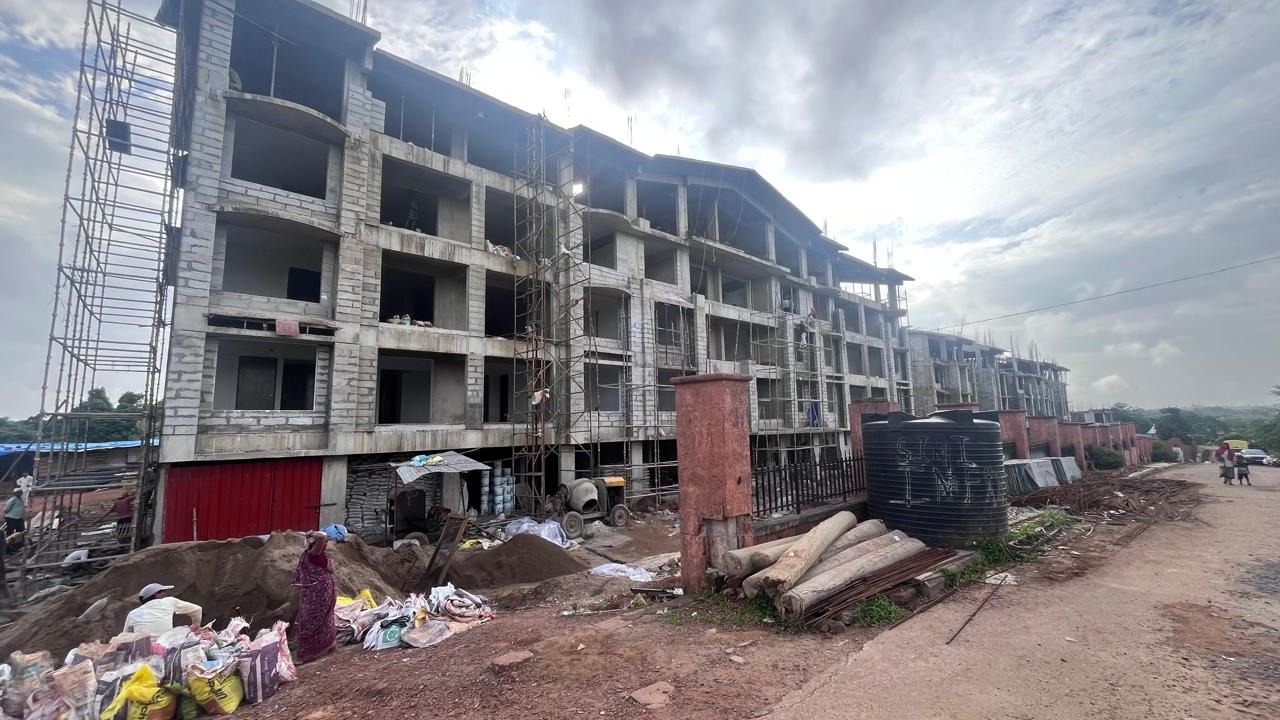
Water Treatment Plant design for residential, commercial use.
The design of a Water Treatment Plant (WTP) involves several key components and considerations to ensure effective water treatment and supply. While the specific design of a WTP can vary depending on factors such as water source, treatment goals, and local regulations, here are some common elements typically found in WTP designs:
Intake and Pre-Screening: The WTP begins with the intake structure, which collects water from the source (e.g., rivers, lakes, tube wells, etc). Pre-screening mechanisms, such as screens or grates, are often employed to remove large debris and prevent damage to downstream equipment.
Coagulation and Flocculation: Chemicals, typically coagulants, are added to the water to destabilize suspended particles and promote their aggregation. Mixing and gentle stirring facilitate the formation of larger particles called floc.
Sedimentation: After coagulation and flocculation, the water is allowed to settle in sedimentation basins or clarifiers. The floc particles settle at the bottom due to gravity, forming a layer of sediment called sludge. Clear water is collected from the top.
Filtration: Filtration involves passing the clarified water through various filter media (e.g., sand, anthracite coal, or activated carbon) to remove fine suspended particles, microorganisms, and any remaining impurities.
Disinfection: To ensure the water is safe for consumption, disinfection is applied to kill or inactivate harmful pathogens, such as bacteria and viruses. Common disinfection methods include chlorination, UV irradiation, ozonation, or a combination of these techniques.
Chemical Dosing: Depending on the specific water quality and treatment goals, additional chemicals may be added at different stages of the treatment process. These chemicals may include pH adjusters, corrosion inhibitors, or fluoride for dental health.
Storage and Distribution: Treated water is typically stored in clear water reservoirs or elevated tanks for distribution to the consumers. Pumping stations and a network of pipes deliver the treated water to homes, businesses, and other end-users.
Additionally, WTP designs may incorporate advanced processes such as advanced oxidation, membrane filtration (e.g., reverse osmosis or ultrafiltration), ion exchange, or specific treatment techniques tailored to address unique challenges in the source water, such as high levels of contaminants or specific water quality concerns.
Consulting with professional engineers and experts in water treatment like Kromatics MEP consultants is crucial to ensure an effective and safe design for a Water Treatment Plant.
Keywords
top
sand
homes
pipes
layer
lakes
Mixing
supply
bottom
damage
rivers
grates
gravity
screens
viruses
Storage
factors
network
experts
fluoride
bacteria
formation
clarified
ozonation
consumers
coagulants
tube wells
clarifiers
businesses
Coagulation
safe design
consumption
combination
WTP designs
aggregation
high levels
Flocculation
water source
chlorination
Distribution
contaminants
source water
ion exchange
large debris
pH adjusters
Treated water
dental health
microorganisms
floc particles
considerations
UV irradiation
elevated tanks
ultrafiltration
specific design
treatment goals
common elements
anthracite coal
Chemical Dosing
gentle stirring
reverse osmosis
other end-users
different stages
larger particles
activated carbon
intake structure
Pumping stations
unique challenges
treatment process
local regulations
harmful pathogens
advanced oxidation
advanced processes
membrane filtration
corrosion inhibitors
additional chemicals
downstream equipment
remaining impurities
various filter media
sedimentation basins
clear water reservoirs
professional engineers
several key components
Pre-screening mechanisms
fine suspended particles
Kromatics MEP consultants
effective water treatment
Common disinfection methods
residential, commercial use
Water Treatment Plant design
specific treatment techniques
specific water quality concerns