Best practices for MEP Mechanical, Electrical, and Plumbing design in manufacturing, industiral facilities are crucial for ensuring energy efficiency, safety, cost-effectiveness, and compliance with regulations.
1. Collaboration and Early Integration
• Cross-discipline Collaboration: MEP design should be integrated from the very beginning of the project, ensuring that mechanical, electrical, and plumbing systems are optimized to work together seamlessly.
• Early Coordination: Collaborate with architects, structural engineers, and production teams to ensure MEP systems meet specific manufacturing needs and building requirements.
2. Energy Efficiency and Sustainability
• Energy-Efficient Systems: Use energy-efficient systems, such as high-efficiency HVAC units, LED lighting, and energy recovery ventilators. Consider renewable energy sources like solar panels or wind turbines where possible.
• Building Energy Modelling: Implement energy modelling software to simulate and optimize energy consumption across the facility.
• Smart Controls: Install advanced Building Management Systems or Energy Management Systems for monitoring and optimizing energy use.
3. HVAC System Design
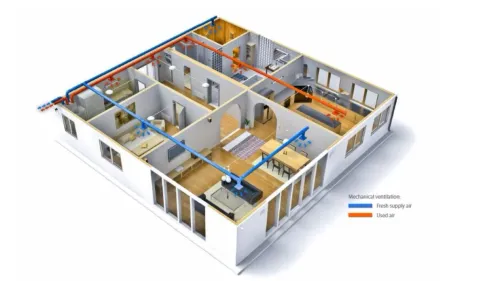
• Proper Ventilation: Ensure sufficient air changes per hour for optimal indoor air quality, especially in areas with high humidity, dust, or hazardous gases.
• Temperature Control: Maintain precise temperature and humidity levels for manufacturing processes that are sensitive to such
• Zoning and Load Calculation: Implement zoning strategies to optimize energy use. Perform accurate load calculations to size HVAC systems appropriately.
4. Plumbing and Waste Management
• Water Conservation: Use water-efficient plumbing fixtures and incorporate water reuse systems for cooling or non-potable uses.
• Wastewater Treatment: Design systems to handle any specialized in compliance with environmental regulations.
• Avoid Cross-contamination: Ensure that the plumbing systems are designed to prevent contamination between potable water and wastewater, especially in food processing or pharmaceutical facilities.
5. Electrical System Design
• Power Distribution and Load Balancing: Properly design and balance the electrical load to avoid overloading circuits, which can lead to failures or inefficiencies.
• Backup Power: Design redundant power systems, such as backup generators or uninterruptible power supplies UPS, to ensure manufacturing operations are not disrupted during power outages.
• Lighting Design: Maximize natural light where possible and incorporate energy-efficient lighting systems like LED and automated lighting controls.
• Safety and Compliance: Ensure compliance with local codes and standards for electrical safety. Implement proper grounding and circuit protection systems.
6. Fire Protection and Safety
• Sprinkler Systems: Design fire protection systems with adequate sprinkler coverage, particularly in areas with high-risk machinery or volatile materials.
• Emergency Lighting and Signage: Ensure emergency lighting and clear evacuation signage are integrated into the design for worker safety during power outages.
• Fire Suppression Systems: Consider specialized fire suppression systems, such as clean agent or CO2 systems, for areas with sensitive equipment or hazardous materials.
7. Flexibility for Future Expansion
• Scalable MEP Systems: Plan for future expansion of production lines or equipment by designing MEP systems with flexibility in mind.
• Modular Design: Use modular approaches for HVAC, electrical, and plumbing systems to allow easy reconfiguration as the facility grows or changes operations.
8. Safety and Accessibility
• Code Compliance: Ensure that all MEP systems comply with local and national building codes.
• Worker Accessibility: Design systems for ease of maintenance and repair, with accessible routes to MEP components such as pumps, ducts, and electrical panels.
• Noise Control: Pay attention to noise levels from mechanical systems, especially in manufacturing areas where machinery can generate significant noise. Use soundproofing and vibration-damping techniques where necessary.
9. Automation and Monitoring
• Automated Controls: Implement automation for HVAC, lighting, and electrical systems to optimize energy efficiency and system performance.
• Real-Time Monitoring: Use sensors and IOT technologies for real-time monitoring of HVAC, lighting, and electrical systems to track energy consumption, prevent failures, and provide predictive maintenance.
10. Compliance with Environmental and Health Regulations
• Air Quality and Filtration: Ensure air filtration systems are designed to handle specific contaminants and maintain air quality, particularly in environments with sensitive processes.
• Regulatory Compliance: Stay updated on local, national, and international regulations regarding MEP systems, including energy usage, water consumption, and waste disposal.
11. Cost Optimization and Lifecycle Management
• Cost-Effective Design: Balance upfront installation costs with long-term operational costs to maximize ROI. Consider life-cycle costs of MEP systems.
• Preventive Maintenance: Integrate preventive maintenance schedules into the design for long-term efficiency and reliability of mechanical, electrical, and plumbing systems.
Thane
08042756402