Good plumbing design is essential for the proper functioning and efficiency of a building's water supply and drainage system. Here are some key practices to consider when designing plumbing systems:
Plan and Layout:
Begin by creating a detailed plumbing plan that considers the location of fixtures, appliances, and the water supply source.
Ensure that plumbing fixtures are conveniently located and easily accessible for maintenance and repairs.
Follow local building codes and regulations when determining pipe sizes, slopes, and materials.
Separate Supply and Drain Systems:
Keep the potable water supply system separate from the wastewater drainage system to prevent contamination.
Use color-coded or labeled pipes to distinguish between hot and cold water lines.
Pipe Sizing:
Properly size pipes to ensure adequate water flow and pressure throughout the system.
Consider factors such as the number of fixtures, flow rates, and peak demand when sizing pipes.
Ventilation:
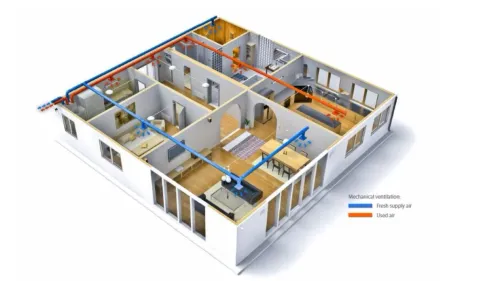
Install proper venting to prevent traps from siphoning and to allow the free flow of air within the drainage system.
Vent pipes should extend through the roof to prevent the escape of sewer gases into the building.
Slope and Grading:
Ensure that drainpipes are properly sloped to allow for efficient drainage and prevent standing water.
Traps and Cleanouts:
Install P-traps or S-traps at fixture drains to prevent sewer gases from entering the building.
Include cleanout access points in the plumbing system to facilitate maintenance and clearing of blockages.
Water Heater Location:
Place water heaters in a well-ventilated area with adequate clearance for safe operation and maintenance.
Consider installing a drain pan with a dedicated drain line beneath the water heater to contain leaks.
Energy Efficiency:
Use energy-efficient fixtures and appliances to reduce water and energy consumption.
Consider installing a recirculation system to minimize water wastage while waiting for hot water.
Backflow Prevention:
Install backflow prevention devices to protect the potable water supply from contamination.
Test and maintain these devices regularly to ensure their effectiveness.
Insulation:
Insulate hot water pipes to minimize heat loss and ensure hot water reaches fixtures quickly.
Insulate pipes in cold climates to prevent freezing and bursting.
Accessibility:
Design plumbing systems to be accessible to individuals with disabilities, complying with local codes.
Water Conservation:
Promote water conservation by specifying low-flow fixtures, dual-flush toilets, and other water-saving technologies.
Maintenance and Inspection:
Develop a regular maintenance schedule and inspection checklist for the plumbing system.
Train building occupants or maintenance staff on basic plumbing maintenance tasks and how to shut off water in case of emergencies.
Material Selection:
Choose plumbing materials that are suitable for the intended use and comply with local regulations.
Pressure Regulation:
Install pressure-reducing valves (PRVs) if necessary to maintain safe water pressure levels and protect plumbing components.

Thane
08042756402