MEP (Mechanical, Electrical, and Plumbing) design in the manufacturing sector plays a critical role in ensuring that facilities are functional, efficient, and compliant with industrial standards and safety codes. Here's a breakdown of how MEP design typically applies to manufacturing environments:
Mechanical Design (HVAC, process piping, etc.)
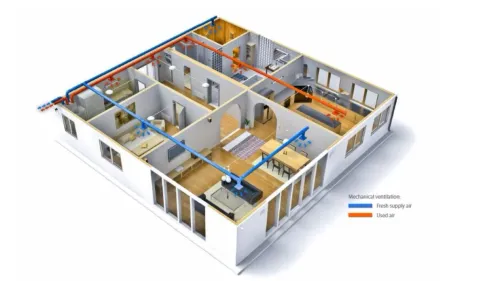
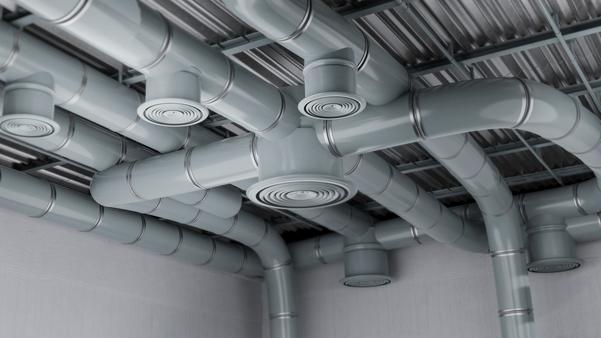
1. HVAC Systems:
Maintain temperature and air quality for both equipment and personnel.
Specialized ventilation systems for dust, fumes, or chemical extraction.
2. Process Piping:
Carries materials like gases, steam, chemicals, or water used directly in manufacturing.
Designed per ASME standards (e.g., B31.3 for process piping).
3. Compressed Air Systems:
Used for powering pneumatic tools and equipment.
4. Fire Protection Systems:
Sprinkler systems, fire suppression for high-risk zones (e.g., chemical storage)
Electrical Design
1. Power Distribution:
High-capacity transformers, switchgear, and panels for machinery.
Emergency power systems (generators or UPS) for critical processes.
2. Lighting Design:
Task-specific lighting for production areas.
Energy-efficient lighting (LEDs with smart controls).
3. Automation and Control Systems:
PLC (Programmable Logic Controller) design integration.
Electrical provisions for SCADA, sensors, and robotics.
4. Grounding and Bonding:
Especially important in areas with flammable materials or sensitive electronics.
Plumbing Design
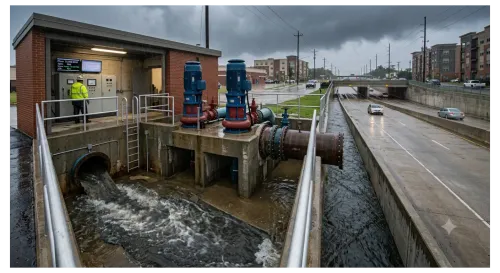
1. Process Water and Waste Systems:
Industrial-grade piping for supply and drainage.
Treatment systems for wastewater or chemical disposal.
2. Domestic Plumbing:
Bathrooms, kitchens, breakrooms for staff.
3. Specialty Fluids:
Oil systems, coolants, or solvent delivery and recovery systems.

Thane
08042756402