Advance HVAC system for commercial, residential, industrial, healthcare facilities
what is HVAC system
HVAC system stands for Heating, Ventilation, and Air Conditioning, which is included in MEP Mechanical, Electrical, Plumbing and it is a technology used to provide better comfort, saftey, health and indoor air quality, and also increases building performance. The term HVAC is described below.
H term in an HVAC system refers to Heating which is used for increasing the temperature of indoor spaces and provide comfort for occupants during cold weather/winter season. And this can be achieved by systems such as furnaces, boilers, heat pumps, or electric heaters.
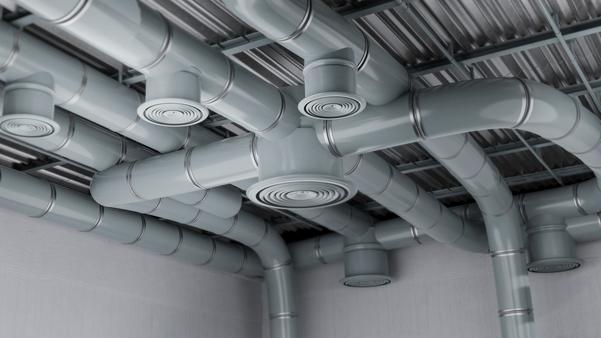
V means Ventilation, it is a process of exchanging indoor air with outdoor air to properly maintain air quality and exclude pollutants, odors, and moisture. and also ensuring a sufficient supply of fresh air in indoor for occupants. Ventilation systems may include fans, ductwork, and air intake/exhaust vents.
AC means Air Conditioning the air conditioning system for an HVAC system works as a cooling system for indoor spaces during hot weather or summer season. And this is typically used by systems such as central air conditioners, or ductless mini-split systems. Air conditioning systems has also advantage like it dehumidify the air, eventually reducing humidity levels for comfort.
Now a days various technologies have been innovated like Advance HVAC system which used for building design and construction which enhances efficiency, comfort, and environmental sustainability as compared to standard HVAC system. Various features of advance HVAC system are.
Energy Efficiency, Advanced HVAC systems which prioritize for energy efficiency through the use of high-efficiency equipment such as variable-speed compressors, energy recovery ventilators ERVs, and advanced controls. which helps to reduce energy consumption and lower the operating cost.
Smart Controls and Automation Integration of smart technologies and building automation systems BAS which allows for remote monitoring, predictive maintenance, and optimize operation which are based on real-time data and occupancy patterns. and Smart thermostats and sensors which contributes to efficient temperature and humidity control.
Ventilation and Indoor Air Quality IAQ it is an enhanced ventilation systems ensuring ample fresh air intake while controlling humidity levels and filtering indoor air pollutants. High-efficiency filtration systems, UV lights, and air purifiers which are sometimes integrated to improve indoor air quality IAQ.
For Maintenance and Durability Modern HVAC systems are designed as to make and ease of maintenance and durability. the Predictive maintenance techniques and diagnostic tools help to identify some potential issues, which eventually reducing downtime and repair costs.

Thane
08042756402