Energy Management Systems (EMS) in MEP
What is an EMS?
- An EMS is a system of tools and software used to monitor, control, and optimize the performance and energy consumption of a building's mechanical, electrical, and plumbing (MEP) systems.
Key Components:
- Sensors and Meters:Collect data on energy usage and other parameters.
- Controllers: Regulate MEP system operations.
- Software Platform: Processes data and enables remote monitoring.
- User Interface: Dashboards for data visualization and decision-making.
Importance in MEP:
1. Energy Efficiency: Optimizes system performance, leading to energy savings.
2. Cost Savings: Reduces utility bills by identifying inefficiencies.
3. Sustainability: Minimizes energy waste and supports green building practices.
4. Predictive Maintenance: Anticipates maintenance needs, reducing downtime.
5. Regulatory Compliance: Helps meet energy efficiency regulations.
6. Improved Indoor Environment: Ensures occupant comfort and health.
7. Data-Driven Decisions: Provides insights for informed management.
8. Integration with Smart Technologies: Enhances building automation and IoT connectivity.
Applications:
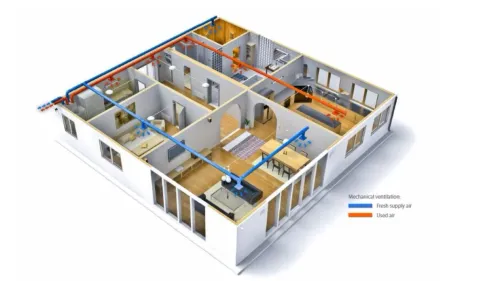
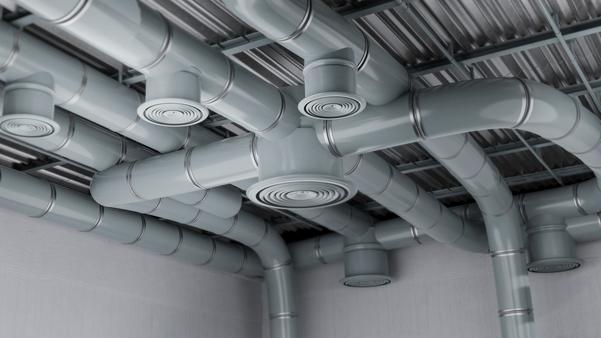
- HVAC Optimization: Adjusts systems based on occupancy and conditions.
- Lighting Control: Manages lighting for efficiency and comfort.
- Renewable Energy Integration: Optimizes the use of renewable sources.
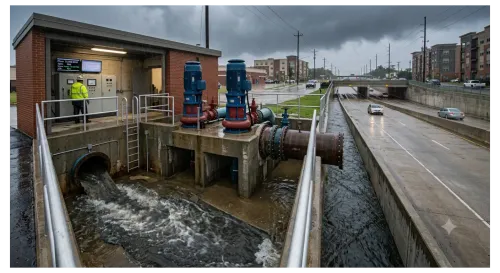
- Water Heating and Plumbing: Ensures efficient operation and reduces waste.
EMS are essential for making MEP systems more efficient, sustainable, and cost-effective, while also improving occup