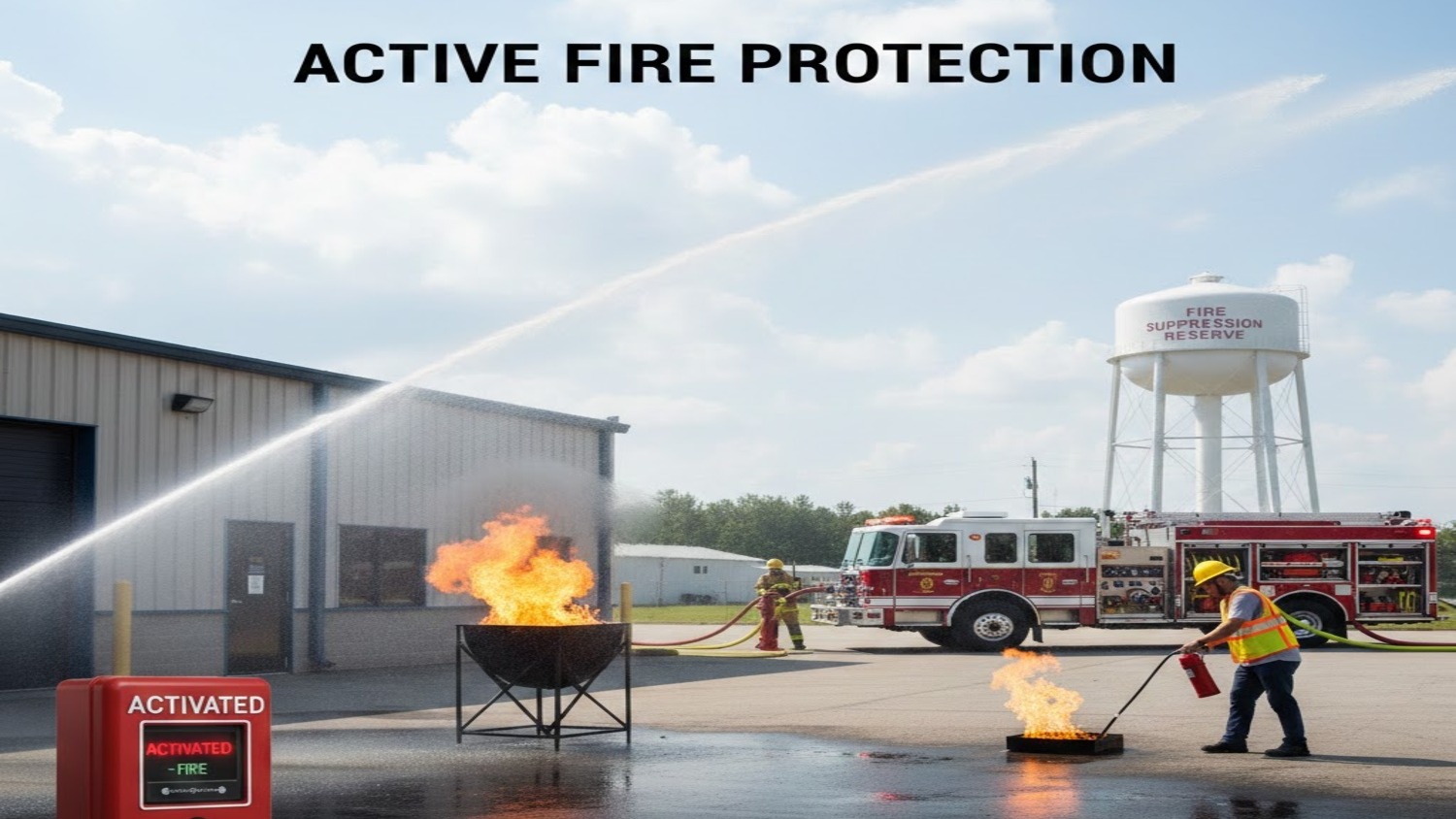
Active fire protection works by detecting a fire, triggering a response, and controlling or extinguishing it using mechanical or electrical systems. It acts immediately when signs of fire appear.
The process begins with detection. Sensors identify heat, smoke, or flame and send signals to a control unit. Once a fire is confirmed, the system moves to activation, alerting occupants through alarms and initiating firefighting equipment automatically or manually.
The final stage is suppression or control. The system releases an extinguishing medium or starts firefighting equipment to reduce heat, limit oxygen, or stop combustion. This helps control the fire quickly and prevents it from spreading until emergency responders take over.
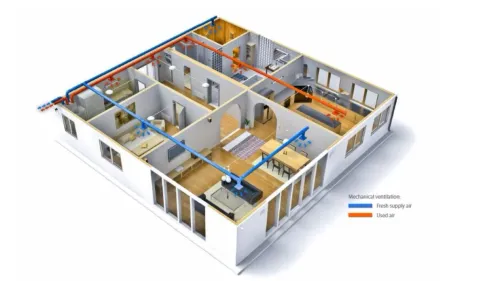
Active fire protection systems are often integrated with building safety infrastructure. They may automatically shut down electrical equipment, activate emergency lighting, control ventilation, or start backup power to ensure continuous operation during a fire emergency. This coordinated response improves safety and enhances firefighting efficiency.
In simple terms, the mechanism follows a chain of reaction to detect, alert, activate and suppress the fire.
Common Types of Active Fire Protection Systems include Fire detection and alarm systems, Automatic sprinkler systems, Fire hydrant and hose reel systems, Fire suppression systems (gas, foam, etc.), Portable fire extinguishers. These systems work together to protect life and property by responding rapidly to fire emergencies.