MEP DESIGN IN RENOVATION, REDEVELOPMENT PROJECTS
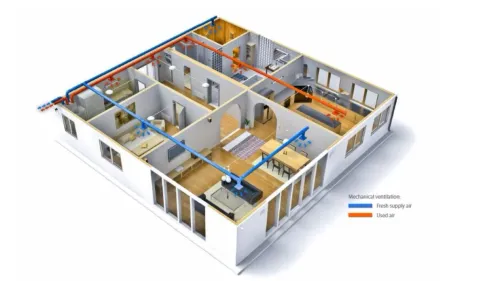
When planning a building renovation or retrofit, consider that many MEP components are embedded in walls and floors. An adequate rough-in improves the installation quality, preventing maintenance issues in the long run. If energy efficient appliances and water saving fixtures will be installed, a good rough-in can also help increase their service life.
Rough-in work can be challenging to manage: it involves installations from separate building systems that share reduced spaces. Planning the layout of MEP installations is already challenging for exposed components. When they are embedded in walls and floors, there is an additional degree of difficulty. Coordination between subcontractors is very important for rough-in work:
The rough-in procedure can only start once the walls and floors are partially built.
In turn, walls and floors cannot be finished until the rough-in is complete.
Since rough-in involves work from several subcontractors, delays are likely to affect everyone. To keep the project on schedule, rough-in work must be completed on time and correctly.
Optimize your building renovation design and save time and capital is the key to success of such projects.

Thane
08042756402