Designing a sewage treatment plant for residential buildings involves several key considerations to ensure efficient and effective wastewater treatment. Here are some steps and factors to consider when designing a sewage treatment plant for residential areas:
Determine the Design Parameters:
Calculate the expected sewage flow rate: Estimate the average and peak sewage flow rates based on the number of residents and their water usage patterns.
Characterize the wastewater composition: Analyze the wastewater composition to determine the concentrations of organic matter, solids, nutrients (such as nitrogen and phosphorus), and other potential contaminants.
Select the Treatment Process:
Primary Treatment: Incorporate a primary treatment process, which involves physical processes like screening, sedimentation, and grit removal to remove large solids, debris, and grit from the wastewater.
Secondary Treatment: Choose a secondary treatment process to remove organic matter and nutrients. Common options include activated sludge process, sequencing batch reactor (SBR), or a fixed-film process like a trickling filter or rotating biological contactor (RBC).
Tertiary Treatment (if required): If the treated effluent needs further treatment to meet specific water quality standards or for reuse purposes, consider tertiary treatment processes such as filtration, disinfection, and advanced oxidation.
Consider Sludge Treatment:
Sludge Thickening: Determine the method for sludge thickening, such as gravity thickening or mechanical thickening, to reduce the volume of sludge for further processing.
Sludge Dewatering: Select a sludge dewatering technique like centrifugation, belt press, or filter press to remove water from the thickened sludge and produce a drier sludge cake for disposal or reuse.
Sludge Disposal: Evaluate appropriate sludge disposal options, including landfilling, incineration, or beneficial reuse as a fertilizer or soil amendment (if regulations permit).
Sizing and Equipment Selection:
Tank Sizing: Calculate the required tank volumes based on design parameters, hydraulic retention time (HRT), and sludge accumulation rates.
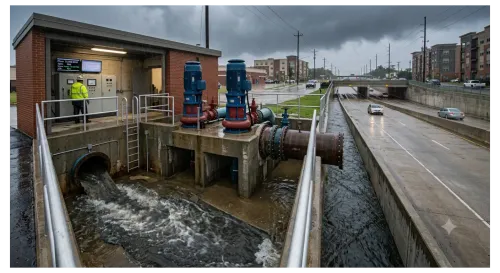
Pumps and Aeration: Determine the pumping requirements and aeration systems for the treatment processes, considering the flow rates, oxygen transfer efficiency, and energy consumption.
Instrumentation and Control: Install appropriate sensors, monitors, and control systems to maintain process stability and optimize performance.
Compliance and Permitting:
Regulatory Requirements: Ensure compliance with local, regional, and national regulations governing sewage treatment, effluent discharge, and sludge disposal.
Permitting: Obtain the necessary permits and approvals from the relevant regulatory authorities before construction and operation of the sewage treatment plant.
Operation and Maintenance:
Develop an operation and maintenance plan: Establish routine maintenance procedures, inspection schedules, and staff training programs to ensure the long-term performance and reliability of the sewage treatment plant.
Monitoring and Sampling: Implement regular monitoring and sampling protocols to assess the plant's performance, effluent quality, and sludge characteristics.

Thane
08042756402