Hotel MEP Mechanical, Electrical, and Plumbing design refers to the process of planning, designing, and implementing the mechanical, electrical, and plumbing systems for a hotel facility. These systems are essential for the overall functionality, comfort, and safety of the hotel building and its occupants. Here's an overview of the key considerations in hotel MEP design:
Mechanical Systems:
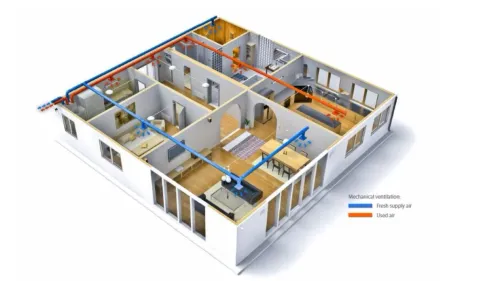
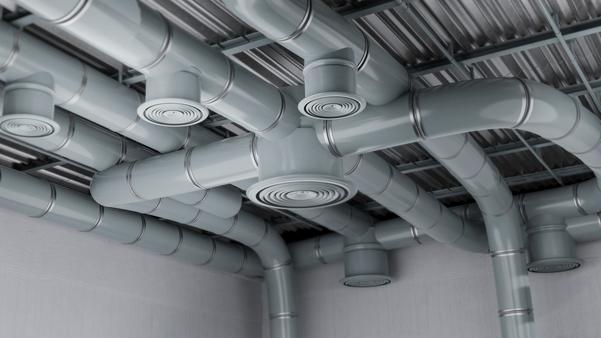
HVAC (Heating, Ventilation, and Air Conditioning): Designing an efficient HVAC system to provide thermal comfort in guest rooms, common areas, and back-of-house spaces.
Energy Management Systems: Incorporating energy-efficient technologies, such as smart thermostats and occupancy sensors, to optimize energy usage and reduce operating costs.
Fire Protection: Installing fire detection and suppression systems throughout the hotel, including fire alarms, sprinklers, and fire extinguishers.
Electrical Systems:
Power Distribution: Planning and designing the electrical distribution system to ensure an adequate and reliable power supply to all areas of the hotel, including guest rooms, lobbies, restaurants, and conference rooms.
Lighting: Developing an efficient and aesthetically pleasing lighting design for various spaces, considering natural lighting, energy-efficient fixtures, and control systems.
Emergency Power Backup: Incorporating emergency power generators to provide electricity during power outages, ensuring essential services like elevators, emergency lighting, and fire protection systems remain operational.
Plumbing Systems:
Water Supply and Distribution: Designing a plumbing system to provide clean and adequate water supply throughout the hotel for guest rooms, public areas, kitchens, and laundry facilities.
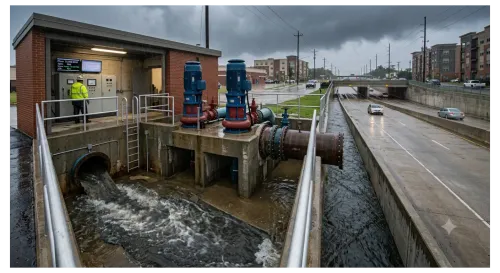
Drainage and Sewage: Planning the wastewater drainage and sewage disposal system, including sanitary fixtures, drainage pipes, and sewage treatment systems.
Fire Sprinklers and Plumbing: Integrating fire sprinkler systems with the plumbing network to ensure rapid fire suppression and protect the occupants and property.
Sustainable Design:
Energy Efficiency: Incorporating energy-efficient technologies, such as LED lighting, occupancy sensors, and efficient HVAC equipment, to minimize energy consumption and reduce the hotel's carbon footprint.
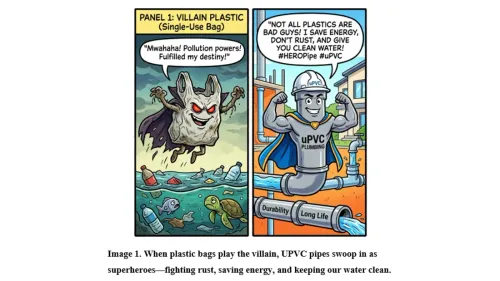
Water Conservation: Implementing water-saving fixtures, such as low-flow toilets and faucets, as well as rainwater harvesting systems for non-potable water use.
Renewable Energy Integration: Evaluating the feasibility of integrating renewable energy sources, such as solar panels or geothermal systems, to generate clean energy for the hotel.
Compliance and Safety:
Building Codes and Regulations: Ensuring the hotel MEP design complies with local building codes, regulations, and industry standards related to mechanical, electrical, and plumbing systems.
Life Safety Systems: Installing appropriate life safety systems, including emergency lighting, exit signs, fire alarms, and smoke control systems, to protect occupants during emergencies.

Thane
08042756402